
The History of Silk Duvets: A Legacy of Craftsmanship

Introduction: A Duvet Woven with Civilization
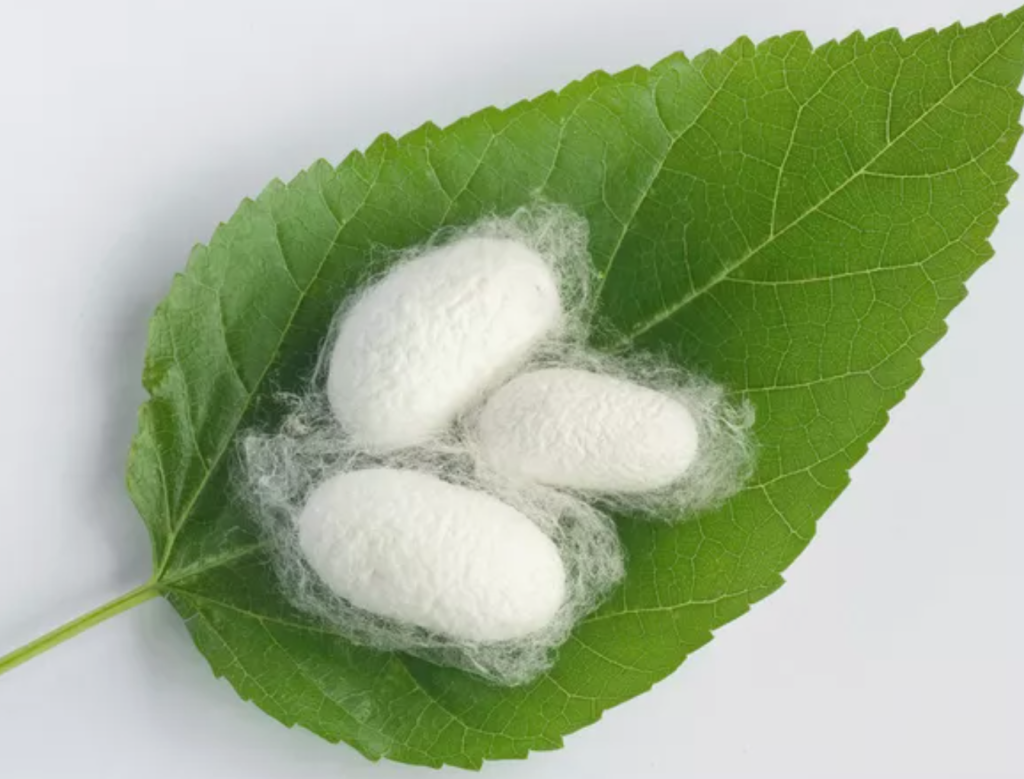
In the misty dawn of China’s Jiangnan water towns, master artisans draw shimmering silk fibers into duvets – each thread carrying 5,000 years of silk heritage. As the birthplace of sericulture, China transformed silk duvets from craft into cultural DNA. Journey through time to uncover this millennia-old legacy.
1. Origins: From Myth to Reality (2700 BC – Han Dynasty)
(1) The Legend of Leizu
Records of the Grand Historian credits Leizu, wife of the Yellow Emperor, with teaching silkworm rearing. In Xiping (Henan), archaeologists discovered the world’s oldest silk fabric fragments – carbon-dated to 5,500 years ago.
(2) Han Dynasty Innovations
The 49g Plain Gauze Gown from Mawangdui Tomb reveals:
- Mastery of “three-molt silkworm” breeding
- Foot-operated reeling machines (5x efficiency gain)
- “Kuang” – the earliest silk wadding quilts
Key Discovery: The Han-era “Longevity and Prosperity” brocade duvet from Niya (Xinjiang) confirms early quilt designs.
2. Evolution: Imperial Luxury to Everyday Comfort (Tang-Qing Dynasties)
(3) Golden Age of Tang Craftsmanship
- Imperial “Weaving & Dyeing Bureau” established
- “Thousand-Hands Duvets”: Months of collaborative artistry
- Poet Bai Juyi documented year-round silk duvet use
(4) Song Dynasty Breakthroughs
- Book of Sericulture systematized techniques
- “Cold-Basin” reeling produced uniform silk
- Jiangnan’s “one village, one workshop” industry
(5) Ming-Qing Popularization
- Huzhou’s Jili Silk became imperial tribute
- Professional “silk fluffer” guilds emerged
- Exploitation of the Works of Nature detailed silk processing
3. Craftsmanship: Eight Timeless Techniques
(1) Artisanal Silkworm Rearing
- Exclusive “four-molt silkworms” fed 40 days
- Temperature precision: 72-77°F (22-25°C)
- “Seven No-Harvest” rules (e.g., rainy days)
(2) Hand-Reeling Ritual
- Boil: 80°C pine-ash water (40 mins)
- Draw: Bamboo combs catch silk ends
- Reel: Foot-treadle reels yield 300g silk/day
(3) Traditional Silk Padding
- Stretch cocoons into “silk clouds” in water
- Shape over bamboo frames to dry
- Four artisans hand-pull layers to 20×7.5 ft
Modern vs Traditional: Machines boost output 20x but reduce loftiness by 30%.
4. Cultural Symbol: The East’s Priceless Gift
(1) Imperial Status Markers
- Tang Dynasty: Only officials above 3rd rank used pure silk
- Qing Dynasty: Imperial yellow silk duvets for royal weddings
(2) Life Rituals
- Jiangnan brides received 12 silk duvets as dowry
- Symbolizing “unbroken bonds of love and protection”
(3) Diplomatic Treasure
In 1972, Zhou Enlai gifted a Hangzhou silk duvet to Nixon – now displayed in the White House.
5. Modern Revival: Ancient Craft Meets Innovation
(1) UNESCO Heritage
China’s sericulture entered UNESCO’s Intangible Cultural Heritage List (2009), with Tongxiang as a living heritage base.
(2) Technological Fusion
- Low-temperature reeling preserves natural sericin
- Quantum dot-enhanced antibacterial silk
- 3D modeling optimizes hand-pulling techniques
Epilogue: Millennia of Warmth
From Leizu’s first silk thread to today’s master weavers, silk duvets embody China’s harmonious dialogue with nature. Covering yourself with one is embracing 5,000 years of wisdom.